Stop Waiting for RBI Rate Cuts: 4 Ways to Slash Your Credit Card Debt Now

As the year winds down, the “festive hangover” isn’t just physical—it’s financial. For many Indian households, the combination of Diwali, Eid & Christmas shopping, wedding season or vacation expenses, and rising inflation has pushed budgets to the breaking point. If you are looking at your credit card statement this month with a growing sense of dread, you are not alone.
Many borrowers sit on the sidelines, hoping the RBI (Reserve Bank of India) will cut repo rates to lower their burden. Here is the harsh reality: Credit card interest rates in India are sticky. Even if the RBI cuts rates, credit card APRs (often ranging from 36% to 42% annually) rarely come down immediately.
Hoping for a policy change to solve your debt is a mistake. The interest meter is running now. The time for passive worry is over; the time for strategic action is today. Here are four practical, Indian-market-specific ways to regain control of your financial life before the New Year begins.
4 Impactful Ways to Get Credit Card Relief Now
The right strategy depends entirely on your CIBIL score and your current financial health. Evaluate these options against your situation to find the most effective path forward.
1. Request for ‘EMI Conversion’ or Restructuring
Best for: Borrowers with a good track record who are temporarily facing a cash crunch.
One of the most direct avenues for help is your bank itself. If you cannot pay the full bill, do not just pay the “Minimum Due” (which is a debt trap). Instead, call your bank and ask to convert your outstanding balance into EMIs.
Most Indian banks allow you to convert big-ticket spends or total outstanding amounts into 6, 12, or 24-month EMIs.
- The Pro: It stops the 40% interest clock and switches you to a lower rate (usually 13%–18%).
- The Catch: You will likely pay a “Processing Fee” and GST on interest. However, this is still far cheaper than defaulting or revolving credit.
2. Opt for a Balance Transfer (BT)
Best for: Individuals who still have a good credit score (750+) and hold multiple credit cards.
If you have one credit card that is maxed out but another card with a clean limit, look for a Balance Transfer offer. This involves moving your high-interest debt from Card A to Card B.
In India, banks often offer a “teaser rate” for Balance Transfers (sometimes as low as 10-12% for the first few months) or an interest-free period of 60–90 days.
- The Strategy: Transfer the debt to the new card and aggressively pay off the principal during the low-interest window.
- The Warning: Do not use the new card for fresh spending. If you do, you defeat the purpose.
3. Debt Consolidation via Personal Loan
Best for: Those juggling multiple cards who want a single EMI.
If you are struggling to track due dates across 3-4 different credit cards, a Personal Loan can be a powerful reset tool. In India, personal loans generally come with interest rates between 10.5% and 16%—significantly lower than the 42% charged on credit cards.
- How it works: You take a personal loan, wipe out all your credit card dues instantly, and then pay a single, manageable EMI for the loan.
- The Benefit: Your credit utilization ratio drops immediately, which can actually boost your CIBIL score over time, provided you don’t run up credit card debt again.
- The Drawback: Eligibility is strict. If your credit score has already dipped (usually below 700-750) due to high credit utilization or missed payments, banks may reject your loan application or charge a very high interest rate, making this option unavailable for those already in deep distress.
4. Professional Debt Settlement
Best for: People who are already defaulting, facing harassment, and see no way to pay the full amount.
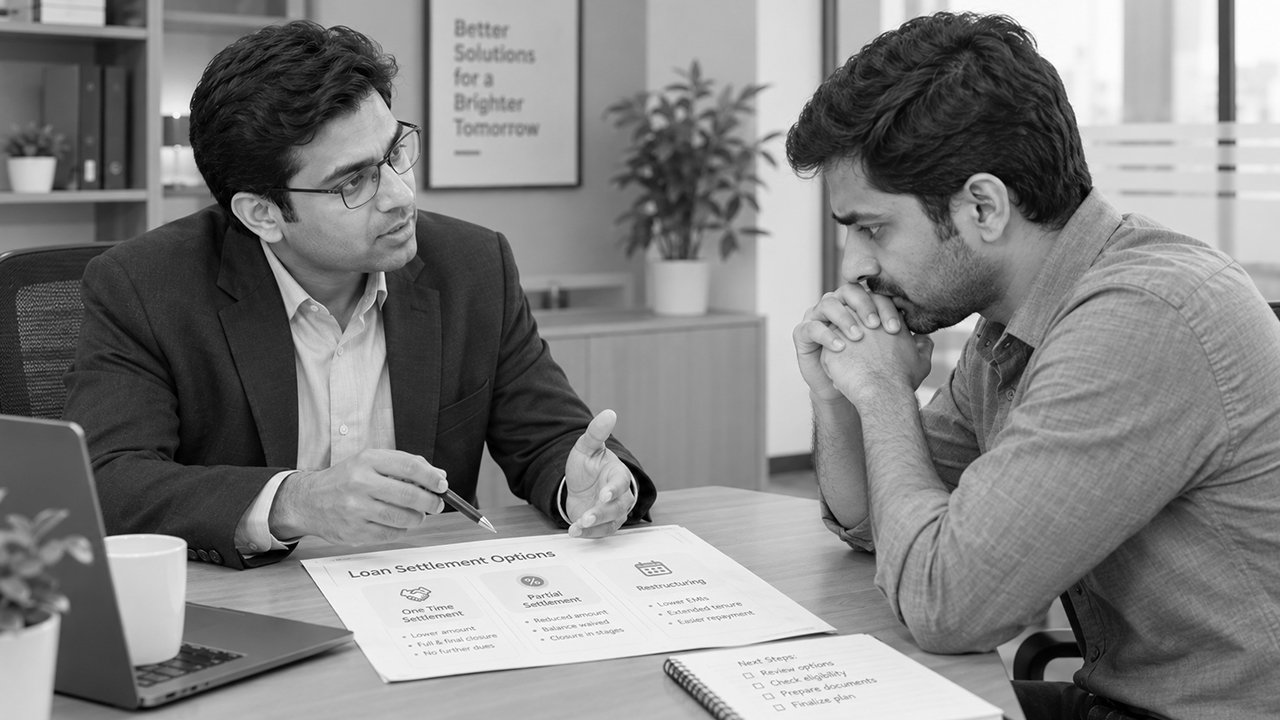
If you have already missed payments and are receiving threatening calls from recovery agents, traditional banking solutions won’t work. This is where Professional Loan Settlement comes in.
In this process, a debt relief company like Settle My Loan (SML) steps in as your shield.
- We Negotiate: We talk to the banks on your behalf to settle the debt for a lower amount, often upto 70% reduction in repayment amount (One Time Settlement or Structured Payment).
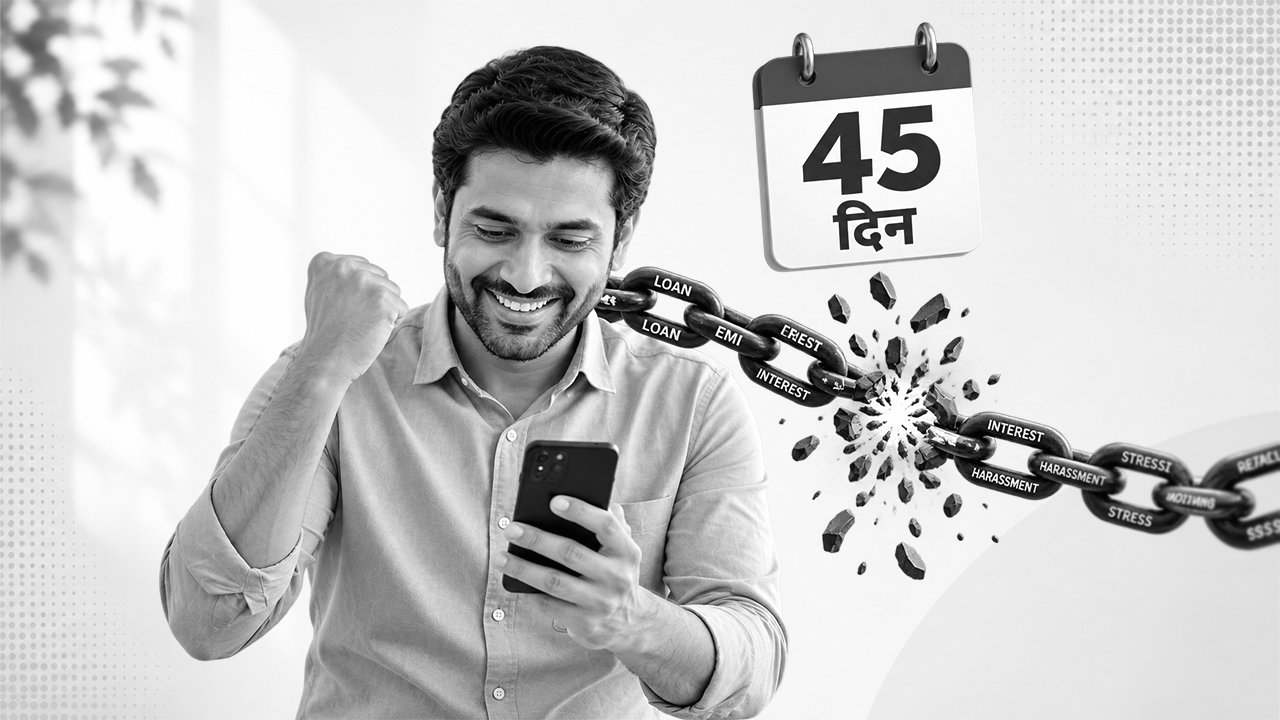
- We Provide Harassment Relief: Our legal team handles the recovery agents, ensuring you are treated with dignity and recovery calls get transferred to our paralegal team directly so that you get peace of mind.
- The Outcome: Settlement impacts your credit score temporarily, but it stops the financial bleeding and allows you to become debt-free faster than drowning in interest. With our expert financial guidance, you can boost your credit score again in due time.
Conclusion: Enter the New Year Debt Free
As we approach the New Year, the goal isn’t just to make resolutions, but to find real financial solutions. Waiting for interest rates to drop or suffering in silence won’t clear your dues—strategic action will.
You have options, ranging from simple bank restructuring to professional legal intervention. However, navigating these choices while facing creditor pressure can be overwhelming.
This is where Settle My Loan steps in.
We don’t just give advice; we stand between you and your creditors. Through our multiple Debt Settlement Options, we help you negotiate down the loan repayment amount upto 70%, providing a structured path to becoming debt-free while our legal team shields you from harassment. Don’t let your debt burden follow you into another year.
Take the first step toward your financial freedom today.
FAQ
Do Like and Share